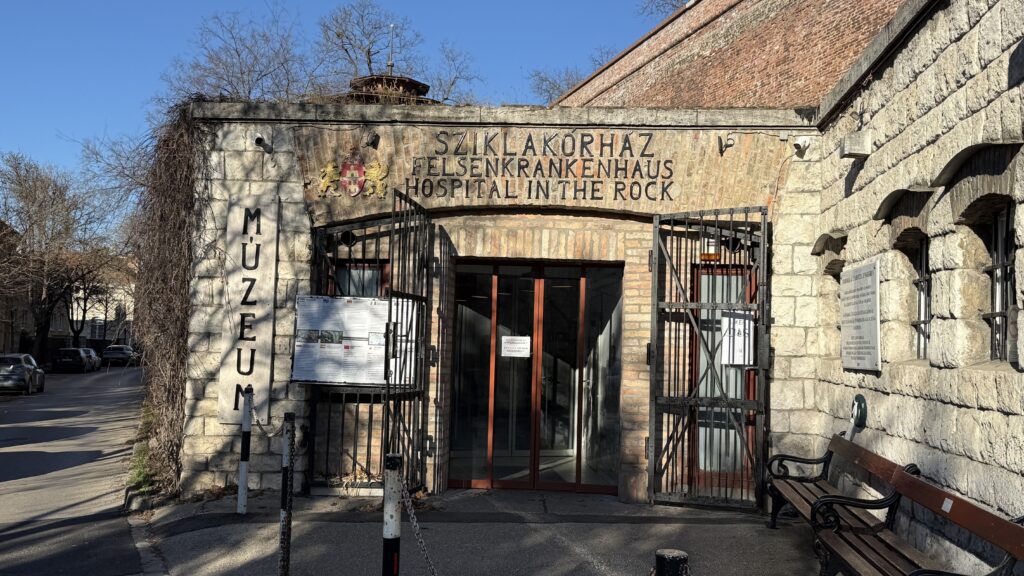
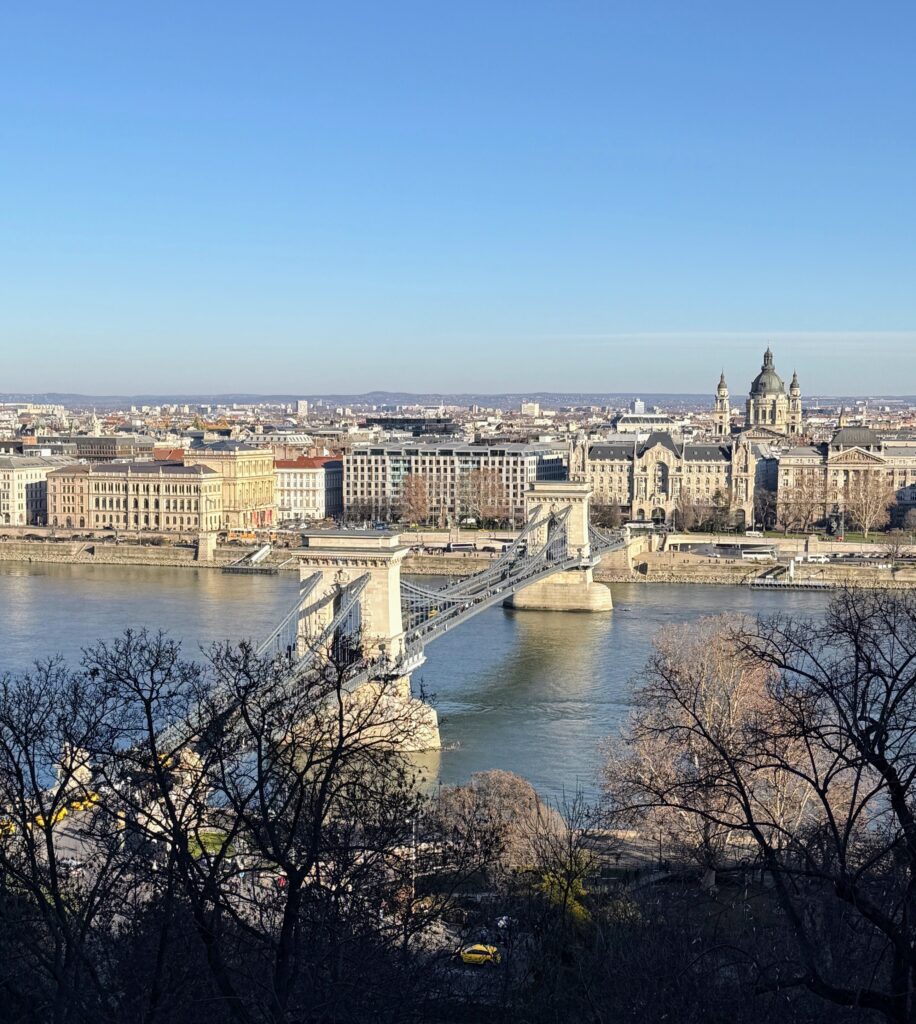
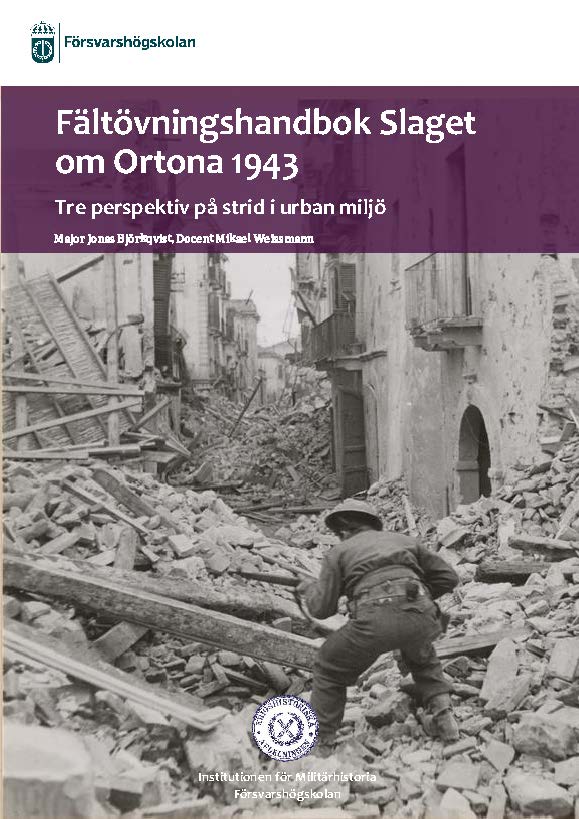
From 28–31 December 28–31, 2025, I conducted a field study in Budapest, focusing on urban warfare, military innovation, and the practical application of AI as a support tool for planning and conducting staff rides. The main historical anchor was the Siege of Budapest (1944 – 1945), using the city’s terrain and key sites to examine the realities of fighting in a major capital: constrained mobility, contested infrastructure, sustainment under pressure, and the constant tension between operational intent and street-level friction. I also briefly compared these lessons with the Hungarian Revolution of 1956 to highlight how rapidly urban dynamics can shift when legitimacy, information, and political control become central.
Alongside the historical cases, I conducted a pilot study on responsible ways of integrating AI into the planning and execution of staff rides—working with a range of sources including battlefield guides to structure the staff ride design (aims, stands, themes, and learning activities) and develop teaching tools that translate historical insights into focused questions and practical discussion prompts, while keeping human judgement and source criticism firmly in the loop. I also explored the possibility of using tailored “technique cards” at specific stands to cue observation, guide discussion, and support reflection during a staff ride.