Hybrid Threats | Psychological Defence | Strategic Intelligence | Technology & Defence | Modern Warfare | Urban Warfare | Staff Rides | Wargames | China and the Indo-Pacific | the Balkans | Central Asia
The Swedish Defence University’s Centre for Land Warfare has launched its new website.
The Centre is a collaborative knowledge hub connecting academic research, military practice, education and capability development across the land domain. It brings together expertise from the Swedish Defence University, the Swedish Armed Forces and external partners.
As Deputy Director of the Centre, I contribute to developing this environment for research, education and collaboration on contemporary and future land warfare.
The new website presents our research areas, current projects and initiatives, publications, and opportunities for collaboration.
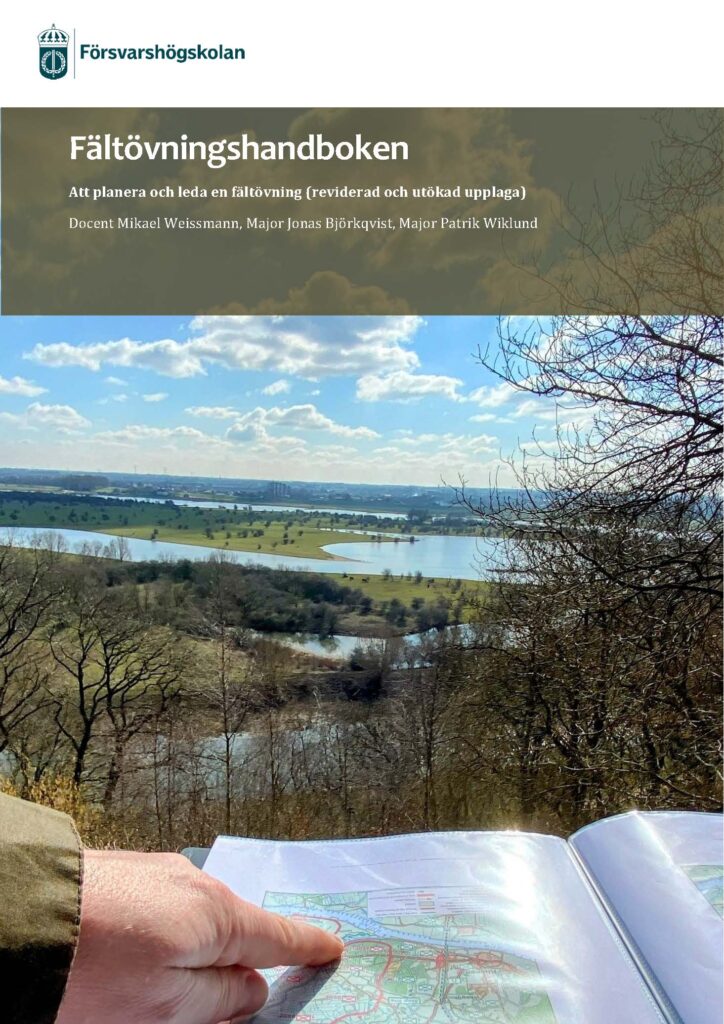
I am pleased to share our new updated and expanded staff ride handbook, Fältövningshandboken: Att planera och leda en fältövning (2026, in Swedish), co-authored with Major Jonas Björkqvist and Major Patrik Wiklund.
The handbook explores field exercises as a central pedagogical tool in officer education. It brings together historical perspective, pedagogy, planning, and execution, and is structured in four modular parts covering:
the field exercise as a method and learning tool,
pedagogical design and constructive alignment,
preparation and planning, and
execution, including hybrid formats and the integration of wargaming.
The book is intended as a practical guide for planning and leading field exercises in professional military education, and for strengthening the link between educational objectives, historical cases, and applied military learning.
The visit was characterised by insightful and constructive discussions, knowledge exchange, and meetings with Swedish stakeholders, contributing to strengthened international research collaboration in the field of security and defence.
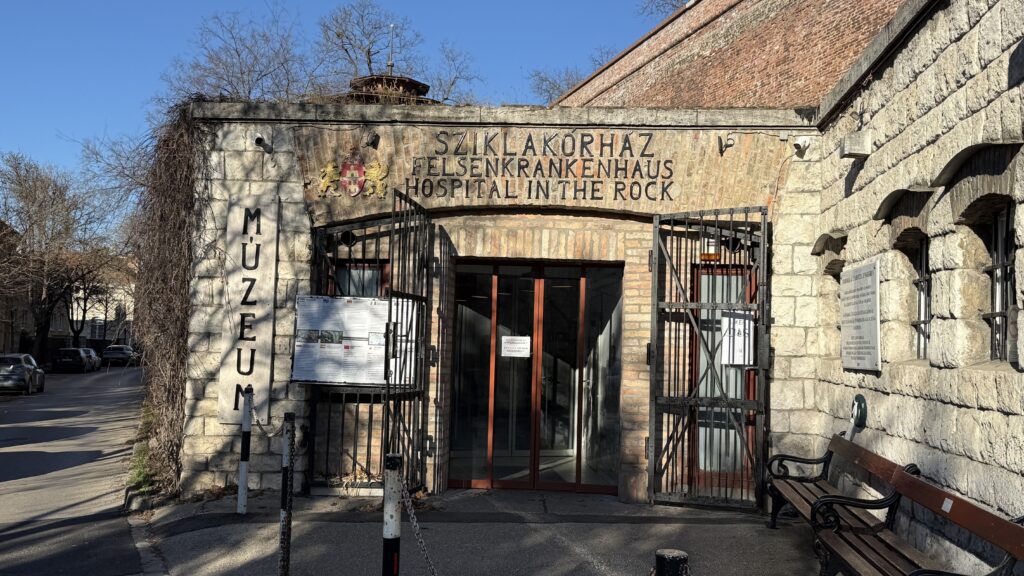
From 28–31 December 28–31, 2025, I conducted a field study in Budapest, focusing on urban warfare, military innovation, and the practical application of AI as a support tool for planning and conducting staff rides. The main historical anchor was the Siege of Budapest (1944 – 1945), using the city’s terrain and key sites to examine the realities of fighting in a major capital: constrained mobility, contested infrastructure, sustainment under pressure, and the constant tension between operational intent and street-level friction. I also briefly compared these lessons with the Hungarian Revolution of 1956 to highlight how rapidly urban dynamics can shift when legitimacy, information, and political control become central.
Alongside the historical cases, I conducted a pilot study on responsible ways of integrating AI into the planning and execution of staff rides—working with a range of sources including battlefield guides to structure the staff ride design (aims, stands, themes, and learning activities) and develop teaching tools that translate historical insights into focused questions and practical discussion prompts, while keeping human judgement and source criticism firmly in the loop. I also explored the possibility of using tailored “technique cards” at specific stands to cue observation, guide discussion, and support reflection during a staff ride.
By Major Jonas Björkqvist & Docent Dr Mikael Weissmann Swedish Defence University Report Series 2025:6 DOWNLOAD | Open Access
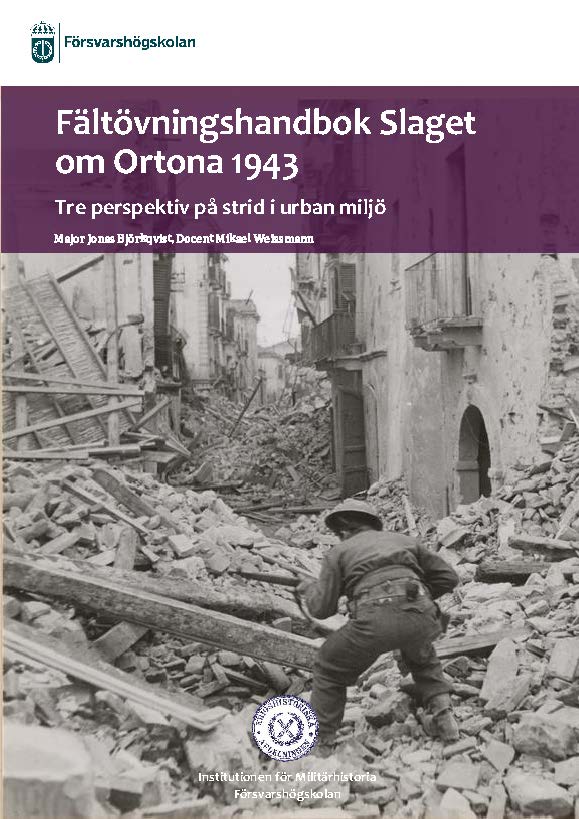
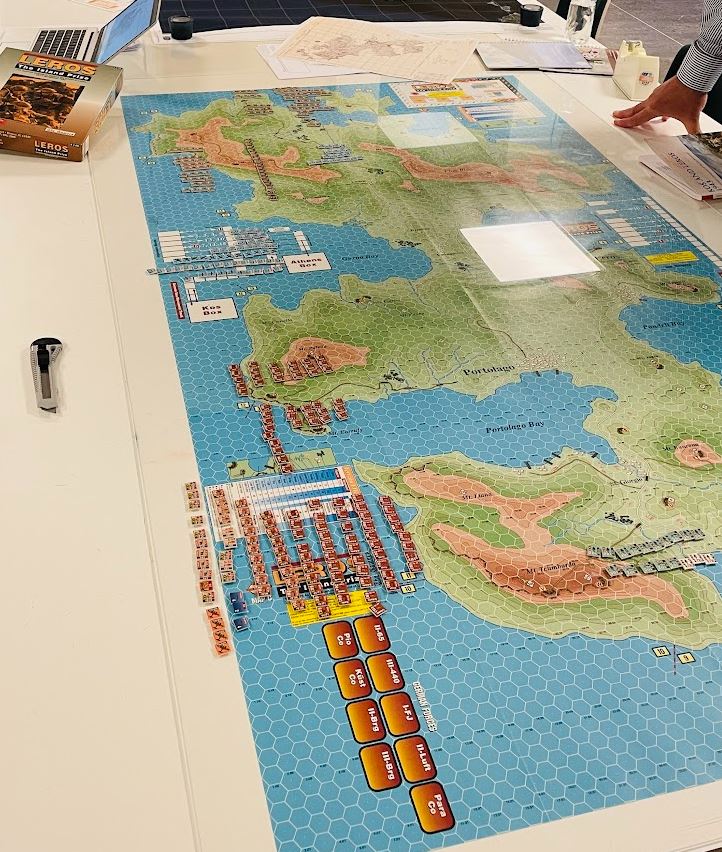
This new handbook presents a comprehensive framework for conducting staff rides and field exercises on the Battle of Ortona (1943)—a historical case offering vital lessons for modern urban warfare. Combining history, wargaming, and pedagogy, it introduces a hybrid model linking tactical and operational insights from past battles with today’s and tomorrow’s conflicts.
Designed for Professional Military Education (PME), it provides practical guidance, thematic modules, and an integrated card-driven wargame to strengthen decision-making and leadership in complex urban operations.
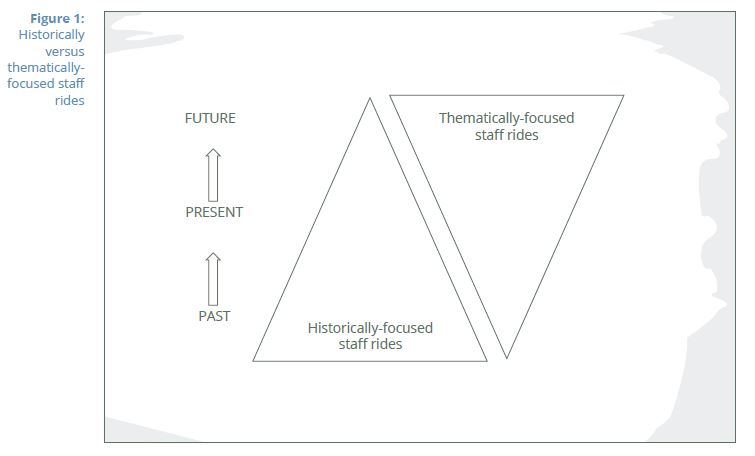
Abstract This article examines the critical role of staff rides in professional military education (PME), emphasizing their ability to bridge historical military events with modern and future operational realities. It introduces a structured hybrid staff ride model that ensures relevance for today’s military leaders. Key Insights from the Study: ✔️ The Hybrid Model – A structured approach balancing historical analysis with contemporary and future operational demands. ✔️ Pedagogical Planning Model – A framework for designing staff rides that ensures learning objectives are aligned with practical field activities. ✔️ Integration of War Games – A fully merged model combining staff rides and war games to enhance decision-making and problem-solving skills. ✔️ Historical Personas for Deeper Engagement – Assigning historical figures to participants, helping them immerse themselves in battlefield decision-making. ✔️ Comparison of Staff Ride Models – A review of international approaches, providing valuable insights for PME institutions worldwide. These insights reinforce staff rides as essential tools for developing critical thinking, decision-making, and leadership skills in military education. 📖 Read the full article here: https://doi.org/10.2478/cmc-2024-0028
As of 1 December, I am pleased to share that I have become an Affiliated Researcher with the Swedish Defence University Centre for Wargaming (CWG). The CWG is dedicated to advancing wargaming-based education, research, and methodology, providing valuable support and expertise to both the academic community and the broader security sector. I look forward to contributing to their efforts and engaging with colleagues and partners in this field.
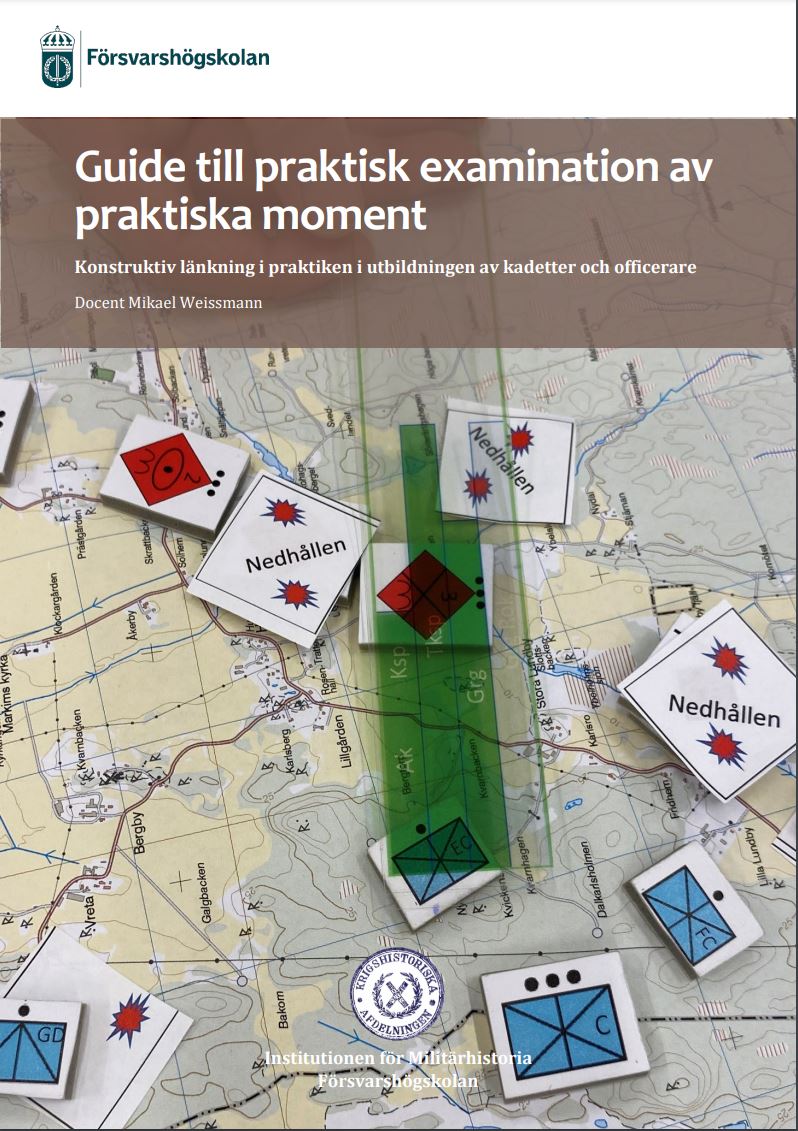
This guide introduces a model that integrates learning objectives with practical activities and assessments in the training of officer cadets and senior officers within higher education. Its purpose is to demonstrate how constructive alignment can be applied in the practical teaching and assessment of cadets and officers, ensuring compliance with the standards of higher education examination while linking educational objectives, pedagogical activities, and evaluation methods. This approach enables the customization of practical assessments to reflect military professions’ dynamic and practical nature.
The book provides detailed models and examples, ranging from wargames to field exercises, making it an invaluable resource for those involved in officer education and military training.
From 10-12 September, the Swedish Defence University is hosting the International Society of Military Sciences (ISMS) Annual Conference 2024, with the theme “Scaling up, Learning Lessons, Ensuring Quality.”
I am excited to present Major Jonas Björkqvist and my own on “From the Battlefield to Classroom: Incorporating War Games and Staff Rides in Professional Military Education (PME) to Enhance Urban Combat Preparedness.“
This presentation focuses on integrating war games and staff rides into military education, both in general and in relation to improving preparedness for urban combat scenarios. I am looking forward to engaging with fellow experts and sharing innovative ideas during the conference.
I am co-chairing WG 1: War Studies, Operations and Tactics with LtCol Dr Lars Henåker. The program contains a range of interesting papers and presentations on the themes WAR IN UKRAINE, OPERATIONAL ARTS AND STRATEGY, INFORMATION SPACE AND THE COGNITIVE FRONTIERS OF WARFARE, and HYBRID/PRIVATE/AI. Conference Program
I am presenting three papers:
“Reevaluating Urban Warfare: Lessons and Strategies from the Ukraine Conflict” co-authored with Prof. Douglas W. Wintonof the Dwight D. David Eisenhower School for National Security and Resource Strategy, National Defense University, US.
“From Battlefield to Classroom: Incorporating War Games and Staff Rides in Professional Military Education (PME) to enhance Urban Combat preparedness” co-authored with Major Jonas Björkqvist of the Land Operations Division, Department of War Studies, Swedish Defence University