Docent Dr Mikael Weissmann

Hybrid Threats | Psychological Defence | Strategic Intelligence | Technology & Defence | Modern Warfare | Urban Warfare | Staff Rides | Wargames | China and the Indo-Pacific | the Balkans | Central Asia

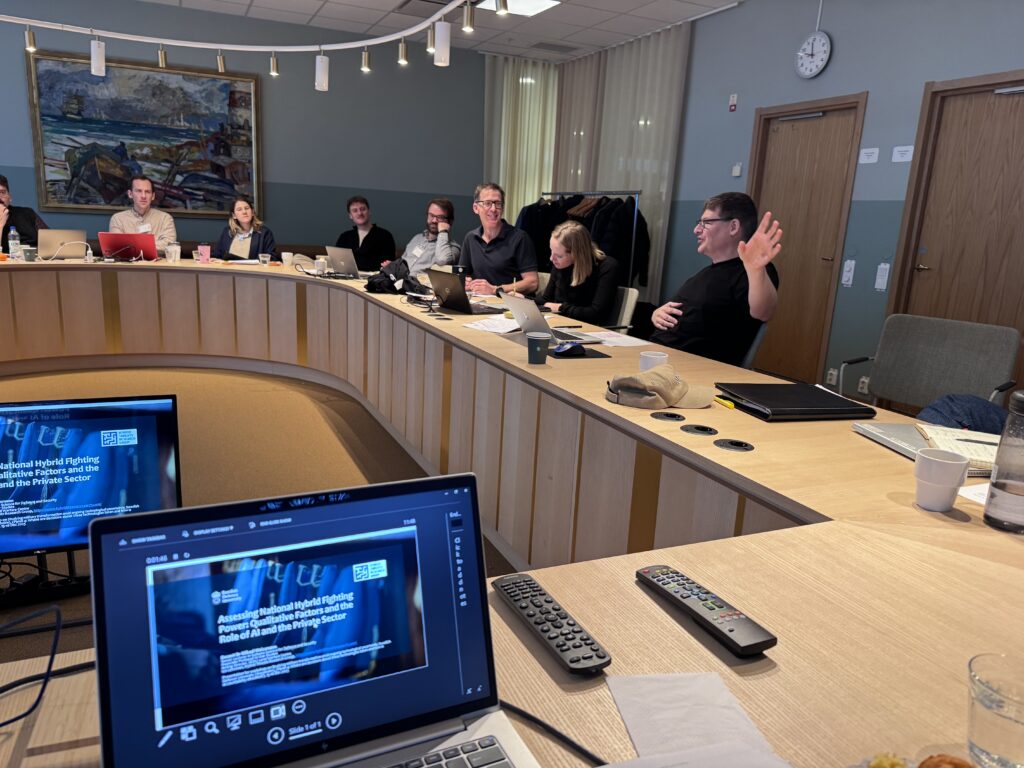
Conference on Psychological Defence – Lund, October 2025

I attended the Conference on Psychological Defence in Lund, Sweden (14–15 October 2025), hosted by the Psychological Defence Research Institute (PDRI) and the Swedish Psychological Defence Authority.
This year’s theme explored the intersection between research and policy, addressing resilience, threat intelligence, strategic communication, and deterrence in an evolving security landscape.

Read more: Exploring the Intersection of Research and Policy at the Conference on Psychological Defence

Expert Round Table on EU, China, and Central Asia

My presentation, “Resilience by Design: How Central Asia Keeps Agency between Brussels and Beijing without Choosing Sides,” highlighted findings on the hierarchy of needs for post-colonial states and introduced a three-layered model of resilience, developed in collaboration with Dr. Johan Engvall (Swedish Defence Research Agency). I also shared concrete policy recommendations on what Europe should—and should not—do in its approach to Central Asia.

New Role: Acting Director at the Swedish Defence University Land Warfare Centre

I am honoured to share that I have taken up the position of Acting Director of the Swedish Defence University Land Warfare Centre.

The Land Warfare Centre is a key part of the Swedish Defence University Institute for Warfare.

More updates to come as the work progresses.

Launching new website for the Hybrid Threat Resaerch Group (HTRG) – hybridthreatsresearch.com

The Hybrid Threats Research Group is an interdisciplinary initiative based at the Swedish Defence University, linking scholars and practitioners from political science, strategic communication, war and defence studies, cybersecurity, influence operations, intelligence, and area studies. Our mission is to advance the capacity to identify, analyse and respond to hybrid threats—where conventional and unconventional tactics converge to test social, political and technological resilience.

Guided by a steering group, and supported by a worldwide network of affiliates, we foster international collaboration to build knowledge that supports governments and key societal actors.

Our research focuses on five interconnected themes:

  1. Modern Warfare – examining how technological change reshapes conflict and defence strategy.
  2. Hybrid Threats – exploring the blended tactics of state and non-state actors that erode traditional defence mechanisms.
  3. Strategic Intelligence – strengthening the collection, analysis and application of intelligence to anticipate threats.
  4. Psychological Defence – building societal resilience against disinformation and influence operations across peace, crisis and war.
  5. Defence Systems – bridging social science and engineering to integrate technical and human factors in effective defence solutions.

Through targeted research projects, workshops and seminars, HTRG provides a creative environment for research training, professional development and evidence-based policy advice. We welcome collaboration with academia, government, and industry partners committed to understanding and countering the complex security challenges of today’s interconnected world.

The new website can be found here: https://www.hybridthreatsresearch.com

Seminar on Central Asia, Europe and the Nordic Region

On May 27 I attended a seminar on “Central Asia, Europe and the Nordic Region: Opportunities and Challenges” organised by the Institute for Security & Development Policy.

It was a very productive event, with presentations and discussions between participants from Uzbekistan, Kazakhstan, and Sweden.

Recommended read on the topic by the organisers in The National Interest by Dr Johan Engvall and Dr Svante E. CornellHow the Nordic Countries Can Engage Central Asia.

Field Studies in Uzbekistan 5-18 April 2025

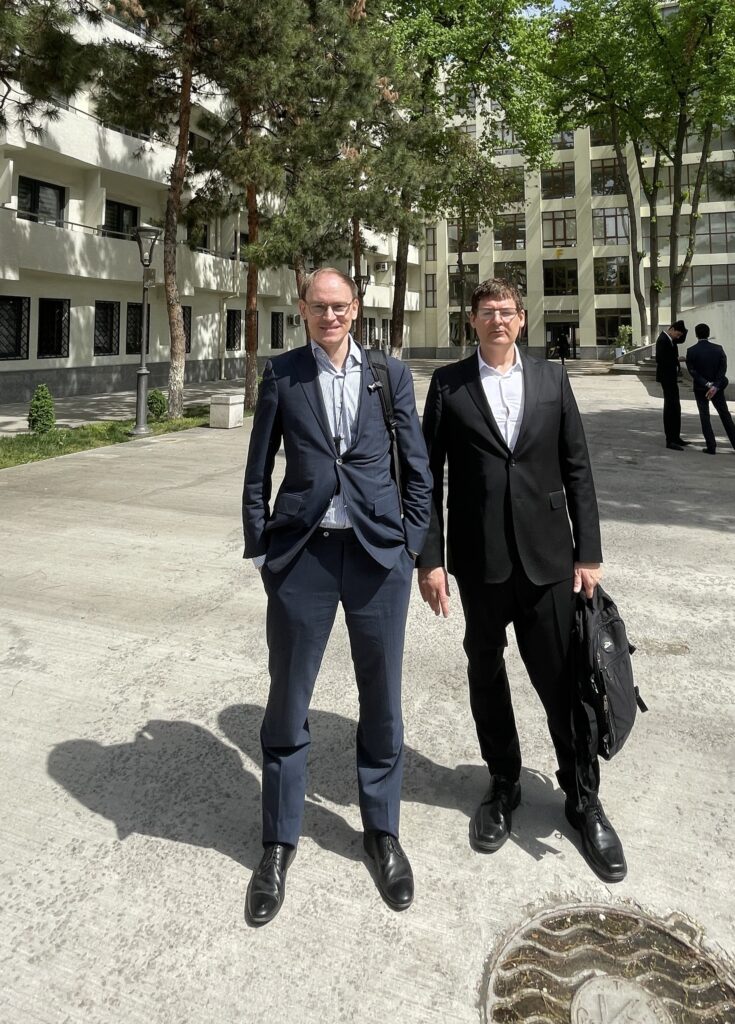
Between 5–18 April 2025, I had the opportunity to conduct a research trip to Uzbekistan together with Dr Johan Engvall from the Stockholm Centre for Eastern European Studies (SCEEUS) at the Swedish Institute of International Affairs (UI).

During our visit, we engaged in productive discussions with several key institutions, including the International Institute for Central Asia, the Institute for Advanced International Studies at the University of World Economy and Diplomacy, the Development Strategy Center and the Center for Progressive Reforms. As part of the visit, we also took part in a round table discussion on the new security situation and EU-Central Asian relations hosted by the Center for Foreign Policy Studies.

We also travelled to the Autonomous Republic of Karakalpakstan, conducting a number of fruitful meetings with government officials as well as representatives from the Karakalpak State University. We also had the opportunity to visit the International Innovation Center for the Aral Sea Basin, learning about their work.

The visit provided valuable input for ongoing research and reinforced avenues for continued academic exchange. The discussions offered nuanced insights into Uzbekistan’s institutional priorities and strategic outlook, enriching our understanding of the evolving regional dynamics. We were met with a high level of openness and hospitality throughout, which greatly facilitated the depth and quality of our engagements. The meetings contributed substantively to shaping future lines of inquiry and collaboration.

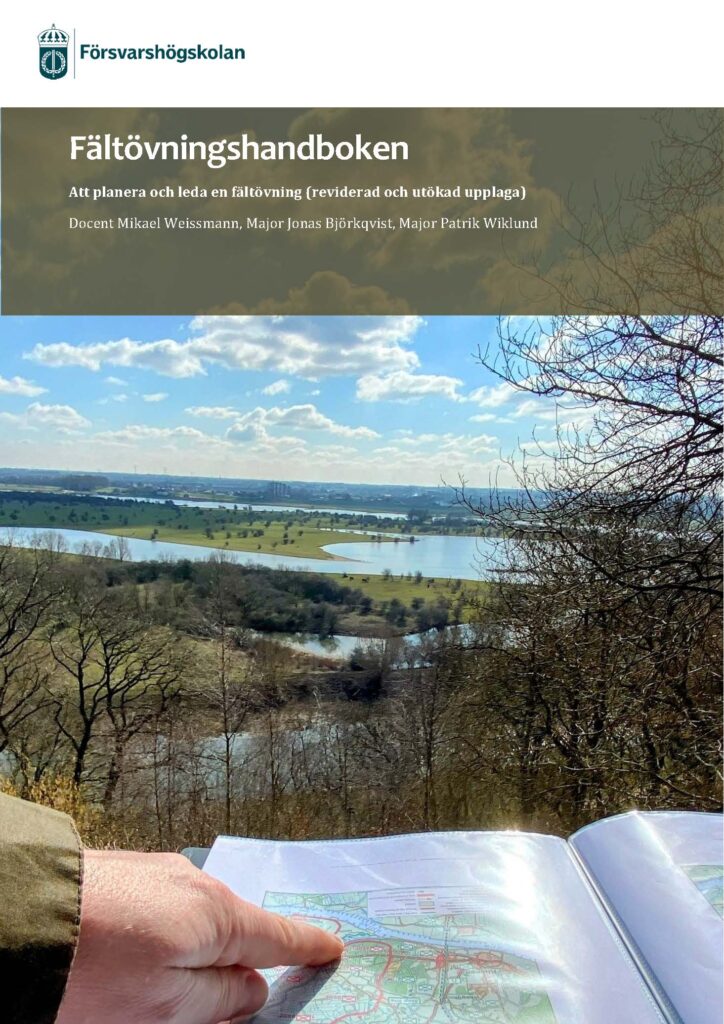
New Article Published: Staff Rides in Professional Military Education

A new article, co-authored with Major Jonas Björkqvist of the Swedish Defence University, has been published in Contemporary Military Challenges.
🔹 Title: Staff Rides in Professional Military Education: Fusing History, the Modern Battlefield, and the Battlefield of the Future
🔹 Journal: Contemporary Military Challenges
🔹 Keywords: Staff rides, war games, professional military education, battlefield study


Abstract
This article examines the critical role of staff rides in professional military education (PME), emphasizing their ability to bridge historical military events with modern and future operational realities. It introduces a structured hybrid staff ride model that ensures relevance for today’s military leaders.
Key Insights from the Study:
✔️ The Hybrid Model – A structured approach balancing historical analysis with contemporary and future operational demands.
✔️ Pedagogical Planning Model – A framework for designing staff rides that ensures learning objectives are aligned with practical field activities.
✔️ Integration of War Games – A fully merged model combining staff rides and war games to enhance decision-making and problem-solving skills.
✔️ Historical Personas for Deeper Engagement – Assigning historical figures to participants, helping them immerse themselves in battlefield decision-making.
✔️ Comparison of Staff Ride Models – A review of international approaches, providing valuable insights for PME institutions worldwide.
These insights reinforce staff rides as essential tools for developing critical thinking, decision-making, and leadership skills in military education.
📖 Read the full article here: https://doi.org/10.2478/cmc-2024-0028

New publication: Future Threat Landscapes: The Impact on Intelligence and Security Services

My latest article, “Future Threat Landscapes: The Impact on Intelligence and Security Services”, is now published in Security & Defence Quarterly!
This article examines the evolving nature of antagonistic threats in the context of intelligence and security services, with a focus on small and medium-sized countries. In an era where the line between war and peace is increasingly blurred, intelligence and security services face a rapidly evolving threat environment.

This article examines:

  • The rise of hybrid threats and non-linear warfare
  • The strategic role of AI and machine learning in modern security
  • How intelligence services must adapt to meet multi-domain challenges

As technology and geopolitics shift, resilience, adaptability, and international cooperation will be key to navigating these uncertainties.

Read the full article here: https://doi.org/10.35467/sdq/197248

#SecurityStudies #HybridThreats #Intelligence #AI #Defence #CyberSecurity #NationalSecurity

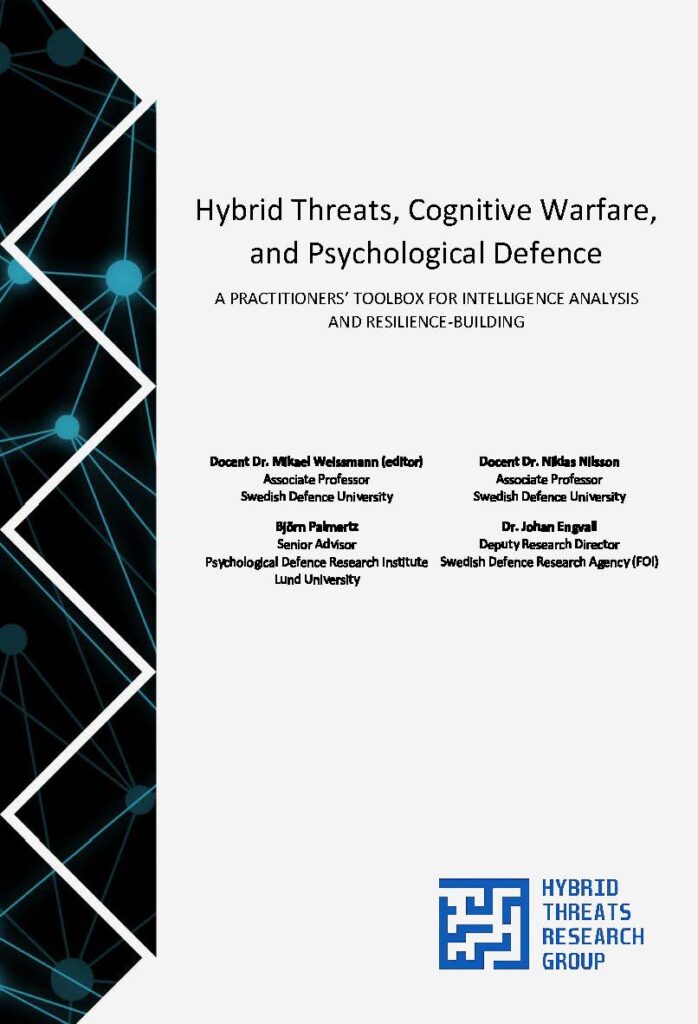
New Publication: Hybrid Threats and the Intelligence Community

I am pleased to share our latest article, “Hybrid Threats and the Intelligence Community: Priming for a Volatile Age,” in International Journal for Intelligence and CounterIntelligence co-authored with Niklas Nilsson and Björn Palmertz.

In today’s complex security environment, the intelligence community must address dynamic hybrid threats through coordinated efforts that span multiple sectors. Our research emphasizes the critical interaction between intelligence analysis, communication, and societal resilience.

Key points include:
• The necessity of reciprocal engagement between intelligence actors and key societal stakeholders.
• An introduction of the Intelligence Analysis Interaction Model, which offers a framework for understanding how hybrid threats evolve and for fostering resilience across society.
• Recommendations on developing tools to identify vulnerabilities, build resilience, and formulate comprehensive whole-of-society responses to hybrid threats.

The full article can be accessed here: https://doi.org/10.1080/08850607.2024.2435265

New position: Senior Lecturer in Systems Science for Defence and Security

I am pleased to share that as of 1 January 2025, I will take up the position of Senior Lecturer in Systems Science for Defence and Security at the Department of Systems Science for Defence and Security at the Swedish Defence University.

I look forward to contributing to the department’s important work and engaging with colleagues and students in this dynamic field.

Page 2 of 6

Powered by WordPress & Theme by Anders Norén